Aboriginal and Torres Strait Islander housing
All Queenslanders deserve the safety and sense of community that comes from having a place to call home. Across Queensland, many Aboriginal and Torres Strait Islander peoples are experiencing a housing gap.
Recognising that local housing needs and access to services can vary based on location, our focus is on delivering practical solutions that deliver improved and lasting housing outcomes for Aboriginal and Torres Strait Islander peoples.
Key initiatives
Palm Island Rent-to-Buy Home Ownership scheme
Offering an alternative pathway into home ownership for social housing tenants on Palm Island.
First Nations Housing Design Guideline
These will establish the overarching principles for appropriate First Nations housing across Queensland in remote, rural, regional and urban areas.
Housing supply
We’re increasing social and community housing for Aboriginal and Torres Strait Islander peoples across Queensland, as part of the commitment to deliver 53,500 social and community housing homes by 2044.
In the Aboriginal and Torres Strait Islander local government areas, building homes can be more complex with challenges like remoteness, land tenure, land availability and an extended annual wet season.
We are partnering with Aboriginal and Torres Strait Islander councils to deliver these important housing outcomes and we are working across government and with partners to:
- unlock land
- invest in essential infrastructure
- deliver more homes, sooner.
Growing Aboriginal and Torres Strait Islander home ownership
Our focus is helping people prepare for, achieve, and maintain home ownership.
We’re expanding home ownership pathways to support Aboriginal and Torres Strait Islander peoples on their journey to owning a home. This will ensure more families can invest in their future and community.
This includes:
- building financial knowledge and confidence to help people prepare for, purchase, and maintain a home
- expanding home ownership opportunities through initiatives such as rent-to-buy programs
- removing barriers to home ownership and supporting families to protect and transfer housing assets across generations.
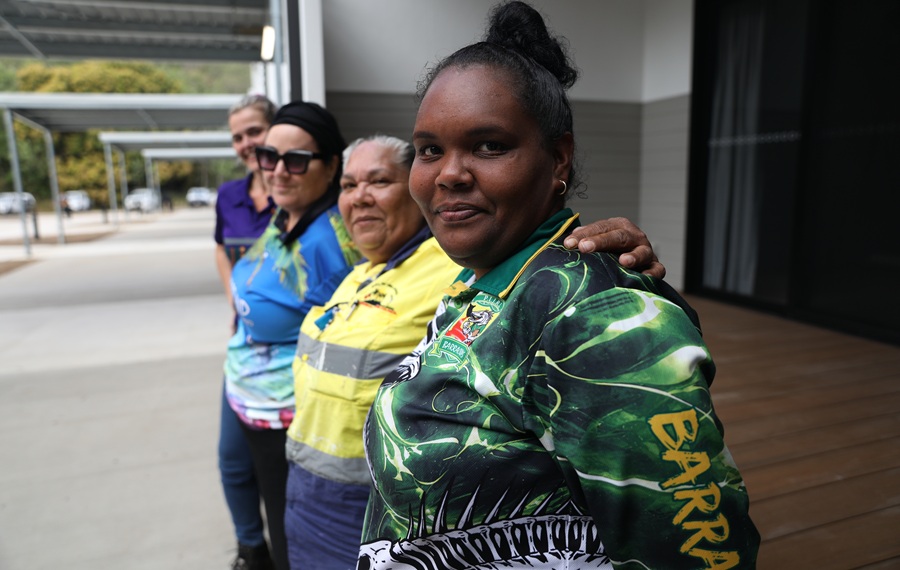
Case study
Palm Island home ownership
The Palm Island Rent-to-Buy Home Ownership Scheme aims to address the low rate of home ownership on Palm Island, where only 1.4% of residents currently own their homes.
Developed through our partnership with the Palm Island Aboriginal Shire Council, the scheme enables residents to purchase their council-owned social homes through a rent-to-buy agreement.
By removing barriers like limited access to bank loans and a lack of a housing market, the scheme is:
- providing residents with greater security, stability, and control over their housing future
- fostering community pride and self-determination
- supporting community-led solutions and economic development.
Supporting safe and well-maintained homes
We are continuing to deliver targeted maintenance and upgrade programs for the quality, safety and comfort of homes in Aboriginal and Torres Strait Islander communities, including establishing a Queensland Indigenous Community Housing Maintenance and Upgrades program.
We are improving the service models for home repairs and maintenance by introducing more efficiency including self-service options for reporting maintenance issues.
Supporting community-controlled housing solutions
Indigenous community housing organisations play a key role in delivering housing services.
We work in partnership with these organisations to:
- strengthen their capacity
- enable growth and improve service delivery for their communities.
This enables Indigenous community housing providers to deliver better housing outcomes and more housing supply for Aboriginal and Torres Strait Islander peoples.
Working in partnership
Real progress starts with listening and working together.
We’re committed to improving housing outcomes for Aboriginal and Torres Strait Islander peoples living in Queensland and to close the housing gap.
We’re working in partnership with Aboriginal and Torres Strait Islander peoples, leaders, communities, and organisations to design and deliver housing that meets local needs.
This means:
- communities helping shape decisions that affect them
- local knowledge guiding how housing is planned and delivered
- programs that reflect community priorities.
Every community is different. Place-based solutions ensure housing works for the people who live there.